


Tonsillitis
Seek medical advice for tonsillitis treatment. Options include antibiotics, pain relievers, salt water gargle, throat lozenges, and tonsillectomy if necessary.
Pyramid Pharmacy - Helping the local community in Ashford, Beaconsfield, Bedford, Buckinghamshire, Guildford, Ilford, London, Tring, Watford and beyond.
Understand causes, symptoms and immediate care.
What is Tonsillitis?
Tonsillitis is inflammation of the tonsils caused by viruses or bacteria. Common signs include a severe sore throat, difficulty swallowing, fever and swollen glands. Viral tonsillitis often improves on its own within a week with rest, fluids and over-the-counter pain relief. Bacterial cases, commonly caused by streptococcal bacteria, may need antibiotics to reduce symptoms and transmission. See a healthcare professional if symptoms are severe, last longer than 48–72 hours, you have difficulty breathing or swallowing, or if a child becomes unusually lethargic. Early assessment helps guide appropriate treatment.
Fever and sore throat
Symptoms usually develop quickly
Antibiotics for bacterial cases
Fluids and rest help recovery
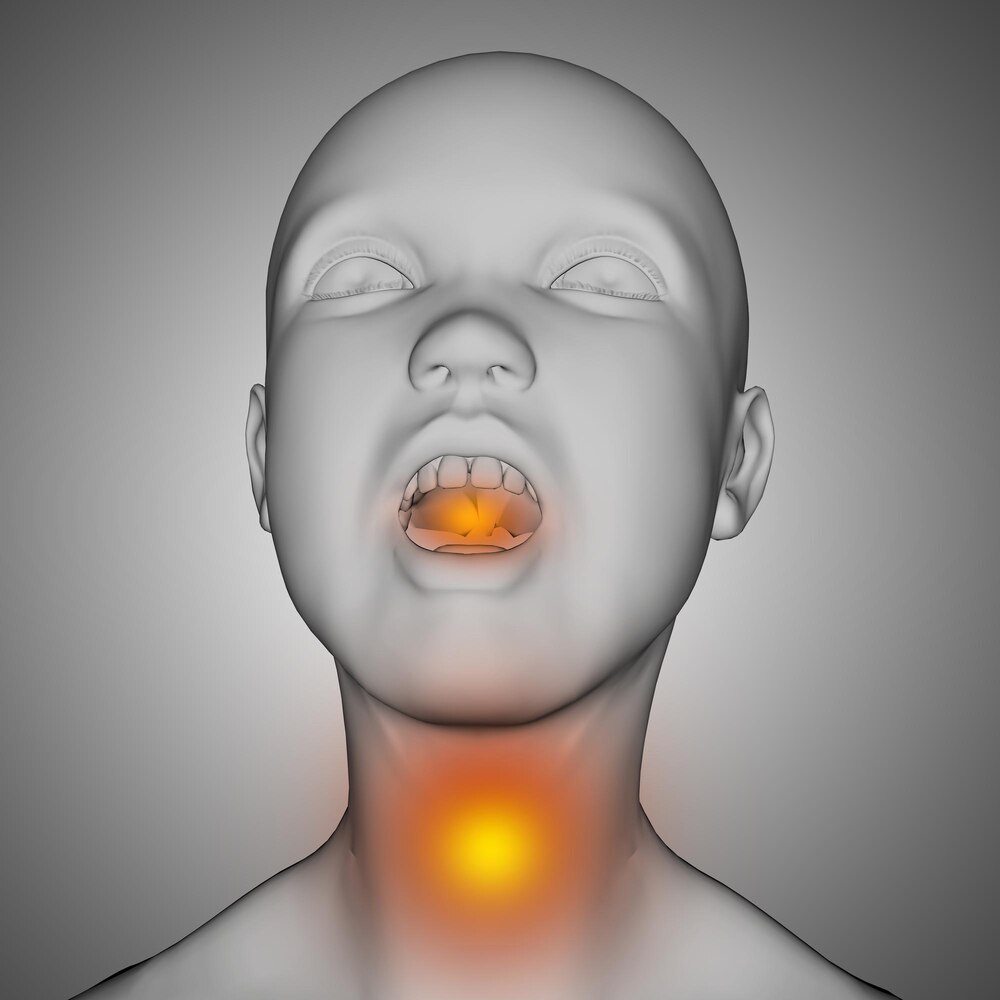
Managing Symptoms
Tonsillitis is a common condition that causes inflammation of the tonsils, making it difficult to swallow and speak. The best tonsillitis treatment involves rest, hydration, and pain relievers like ibuprofen or acetaminophen to reduce discomfort. In severe cases, antibiotics may be prescribed to fight the infection. Gargling with warm salt water can also help alleviate symptoms. It is important to follow the doctor's instructions and complete the full course of treatment to fully recover from tonsillitis.

Common Symptoms
Sore throat, fever, swollen glands, white patches
Treatment Options
Analgesics, hydration, antibiotics if bacterial
When to See a Doctor
Persistent symptoms, breathing/swallowing difficulty, dehydration
Key Points to Remember
Diagnosis usually relies on clinical signs and sometimes a throat swab to identify streptococcal bacteria. If bacteria are confirmed or strongly suspected, a short course of antibiotics typically speeds recovery and reduces the risk of complications and spread. For viral cases, antibiotics are ineffective; focus is on symptom relief and preventing dehydration. Maintain good hand hygiene to reduce transmission. If recurrent tonsillitis significantly affects quality of life, referral to an ENT specialist for removal may be discussed. Always follow professional advice for children and high-risk patients.
Viral cause common in most cases
Antibiotics only for bacterial infections
Pain relief aids comfort and recovery
Seek urgent care for severe symptoms
Information about antibiotic use and considerations.
Antibiotics and Prescription Guidance
When bacterial tonsillitis is diagnosed, antibiotics such as a penicillin-based medicine are commonly prescribed. Complete the full course as directed even if symptoms improve early to ensure the infection is eradicated. For penicillin-allergic patients, alternative antibiotics may be recommended. Antibiotics reduce symptom duration slightly and help prevent spread to others. They do not help viral infections and unnecessary use can promote resistance. Pharmacies can provide advice on correct dosing, potential side effects, and interactions with other medicines. Follow up if symptoms fail to improve within 48–72 hours of starting treatment.

Frequently Asked Questions
Common questions about causes, treatment, and when to seek care.
Is tonsillitis contagious?
Yes. Viral and bacterial tonsillitis can spread through respiratory droplets and close contact. Good hygiene reduces risk.
Do I always need antibiotics?
No. Antibiotics are only effective for bacterial infections. Many cases are viral and improve with supportive care.
How long does recovery take?
Viral tonsillitis often improves in 3–7 days. Bacterial cases may respond within a few days of antibiotics, but finish the course.
Can I give children pain relief?
Yes. Age-appropriate paracetamol or ibuprofen can be used. Avoid aspirin in children under 16.
When is tonsillectomy considered?
Surgery is considered for frequent, severe, or complicated recurrent tonsillitis that affects daily life. ENT referral may be needed.