

Rosacea
Gentle, expert care for ongoing facial redness and sensitivity.
Pyramid Pharmacy - Helping the local community in Ashford, Beaconsfield, Bedford, Buckinghamshire, Guildford, Ilford, London, Tring, Watford and beyond.
Practical management and support
Managing Rosacea Effectively
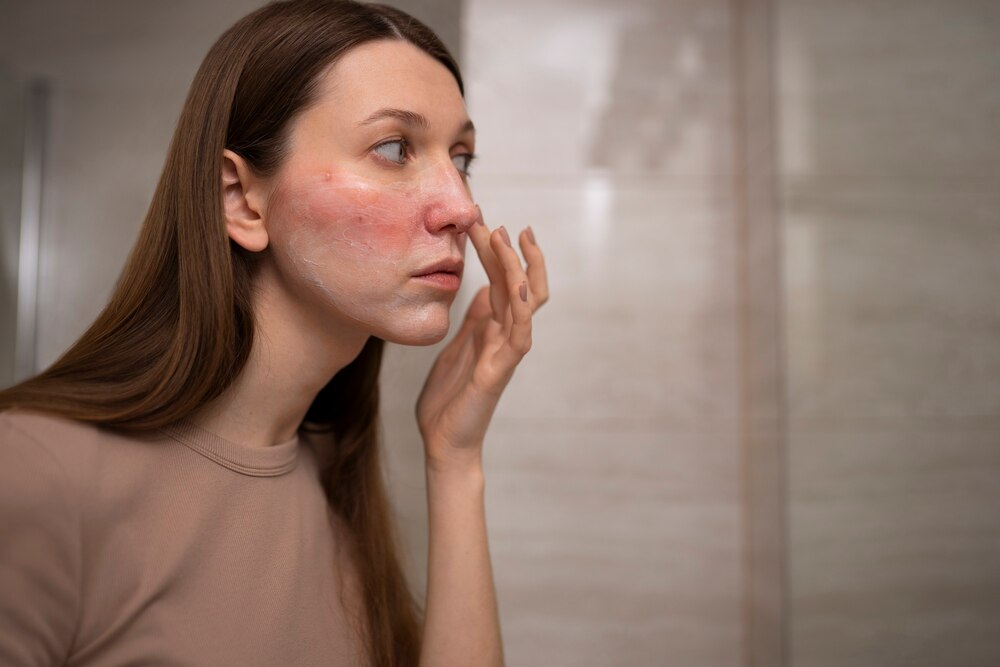
Rosacea is a chronic skin condition that typically causes facial flushing, persistent redness, visible blood vessels, and sometimes papules or pustules. Triggers vary by person and can include heat, spicy foods, alcohol, stress, and certain skincare products. Management focuses on reducing flare frequency and severity through trigger identification, tailored topical medications such as metronidazole or azelaic acid, and oral options for inflammatory disease. Gentle skincare routines and consistent sunscreen use are essential. Our service provides assessment, prescription support, guidance on product selection, and follow-up advice to optimise long-term control and skin comfort.
Gentle topical options
Prescription treatments available
Daily sun protection advised
Supportive aftercare and advice
Personalised consultations
What to Expect in a Consultation
During a consultation we review symptoms, skin history, and known triggers, and check previous treatments. We discuss evidence-based topical options and lifestyle strategies, explain expected timelines for improvement, and set realistic goals. For moderate to severe inflammatory rosacea we may suggest referral pathways or liaise with your GP for oral therapy. We can also advise on gentle cleansers, non-irritating moisturisers, and appropriate sunscreens. Our aim is to provide clear, practical steps you can implement immediately to reduce flare-ups and improve skin comfort.

Clinical Review
In-depth symptom and treatment assessment
Prescription Service
Topicals and oral options where appropriate
Follow-up Care
Ongoing advice and treatment adjustments
How consultations work
Assessment and Treatment Planning
A typical appointment begins with a focused history to determine symptom pattern, onset, and likely triggers. We examine the skin to classify rosacea features and discuss previous therapies and any sensitivities. Based on findings we provide a tailored plan which may include OTC soothing products, topical prescription options, or coordination with a GP for oral therapy. We emphasise gentle routines, trigger avoidance strategies, and sun protection. Follow-up can assess response, adjust treatment, and support longer-term skin care goals, ensuring clear guidance at each step.

Key Points
Key points for living with rosacea include recognising and avoiding personal triggers such as heat, spicy foods, and alcohol, and choosing fragrance-free, gentle cleansers and moisturisers. Regular broad-spectrum sunscreen helps reduce flare frequency. Many people benefit from topical medicated creams, and some require low-dose oral therapy or laser for persistent redness. Early, ongoing management improves outcomes; if redness, burning, or spots worsen despite basic measures, seek professional assessment for tailored prescription and potential specialist referral. Education and small routine changes often lead to meaningful symptom improvement.
Identify personal triggers
Use gentle skincare products
Consistent sunscreen daily
Seek prescription when needed
Frequently Asked Questions
Common questions answered
What causes rosacea?
Exact cause is unclear; factors include genetics, blood-vessel reactivity, and environmental triggers.
Can rosacea be cured?
Rosacea is chronic but manageable; treatments control symptoms rather than cure.
Which skincare should I use?
Choose fragrance-free, gentle cleansers, light moisturisers, and mineral sunscreens.
Are antibiotics necessary?
Antibiotics may be prescribed for inflammatory rosacea but only when indicated.
When should I see a specialist?
If symptoms worsen, fail treatments, or cause eye involvement, seek specialist input.