

Irritable Bowel Syndrome (IBS)
Expert advice and practical treatment options for IBS.
Pyramid Pharmacy - Helping the local community in Ashford, Beaconsfield, Bedford, Buckinghamshire, Guildford, Ilford, London, Tring, Watford and beyond.
Practical dietary and lifestyle guidance.
Manage Symptoms with Practical Changes
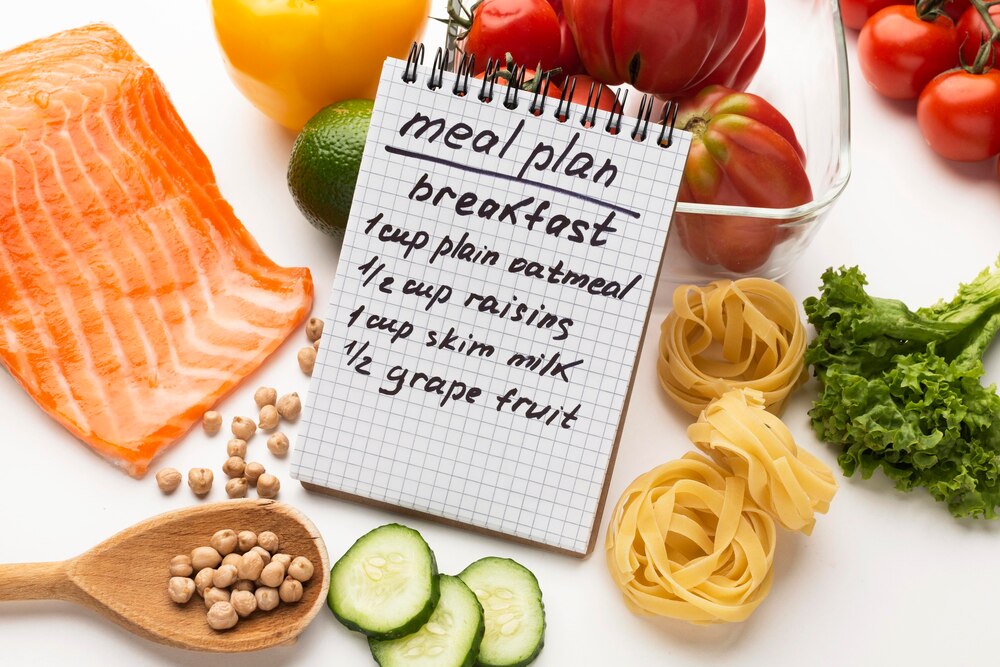
Our team provides clear guidance on lifestyle and dietary changes that commonly reduce IBS symptoms. We focus on realistic adjustments, low-FODMAP options where appropriate, fluid and fibre balance, and timing of meals. Advice is tailored to your symptoms and preferences.

Understanding IBS and how it affects you.
What Is IBS?
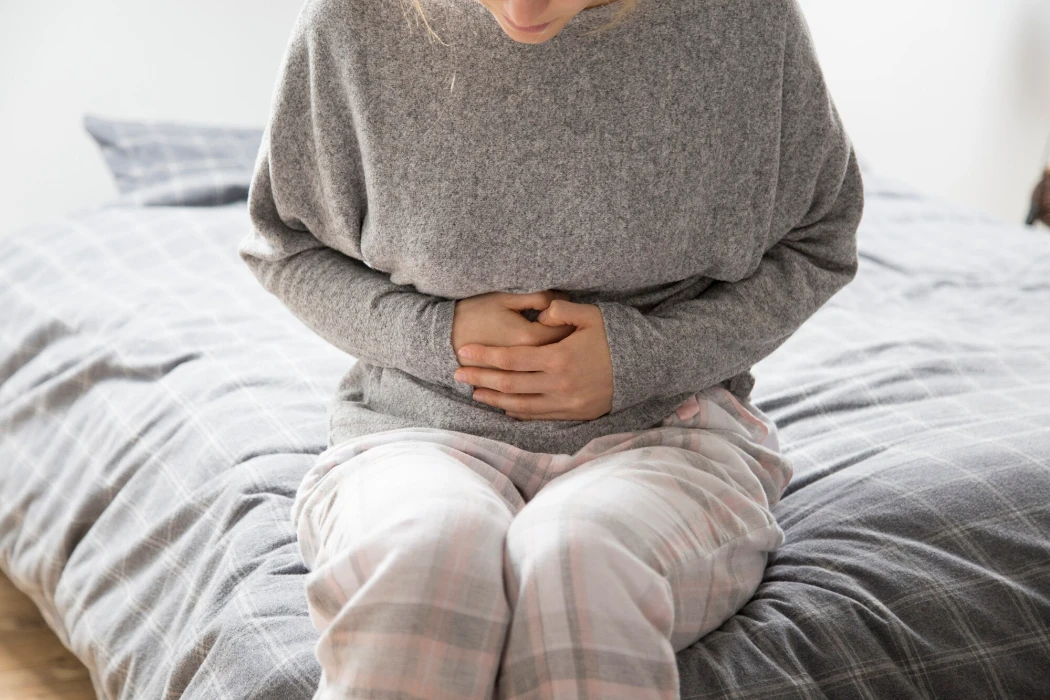
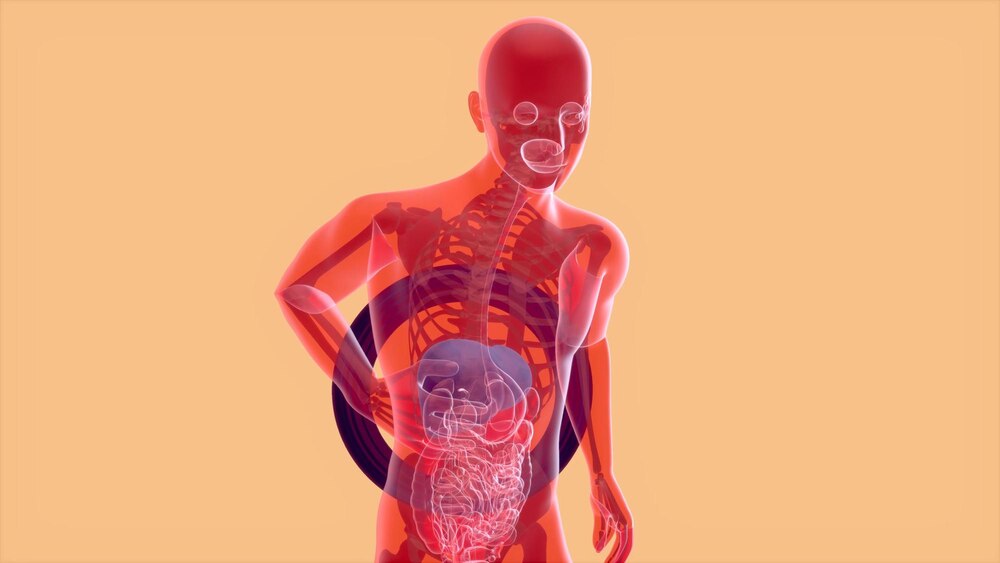
Irritable Bowel Syndrome is a functional gut disorder characterized by abdominal pain, altered bowel habits and bloating. Its exact cause is multifactorial: altered gut-brain interaction, sensitivity to normal gut activity, motility changes, post-infectious changes and diet triggers can all play roles. Diagnosis usually follows symptom-based criteria, excluding warning signs that suggest other conditions. Management combines education, dietary adjustments, stress management, fibre modulation, targeted medications for pain or bowel habits, and psychological therapies when needed. Regular review helps refine strategies and improve day-to-day quality of life.
Nutrition
Dietary review and tips
Medication
Medication advice and optimisation
Wellbeing
Stress and symptom coping strategies
Frequently Asked Questions
Common questions about IBS and practical answers to help you manage symptoms.
How is IBS diagnosed?
Diagnosis is symptom-based after excluding red flags and other conditions. Your pharmacist or GP can advise on when further tests are needed.
Can diet changes help?
Yes. Many people benefit from fibre adjustments or a low-FODMAP approach under guidance. Diet changes should be personalised.
When should I see a doctor?
See a doctor if you have weight loss, bleeding, persistent severe pain, or a sudden change in symptoms.
Are there medications for IBS?
There are targeted options for diarrhoea, constipation, pain and bloating. Medication choice depends on your main symptoms.
Can stress make IBS worse?
Yes. Psychological stress and anxiety commonly worsen symptoms; relaxation, CBT and other therapies can help.
Key Points to Remember
IBS management is most effective when tailored to the individual. Tracking symptoms, reviewing diet and medications, and addressing stress or sleep can yield meaningful improvements. Regular follow-up ensures treatment is adjusted as needs change and helps identify when specialist referral or investigations are appropriate.
Recognise your personal triggers
Adjust fibre intake carefully
Consider low-FODMAP diets
Seek help for severe symptoms
Simple habits that make a difference.
Practical Steps to Reduce Flare-ups
Combining modest diet adjustments with stress management and appropriate medications often reduces flare-ups. Small, sustainable changes tend to work better than drastic restrictions. Pharmacists can help review interactions, suggest over-the-counter options and coordinate care with your GP.
Start small with diet changes
Keep a symptom diary
Discuss medications with a pharmacist
Manage stress and sleep
Tailored treatments for different symptoms.
Treatment Options
Treatment aims to reduce symptom burden and improve daily life. Options include soluble fibre supplements for constipation, antispasmodics for pain, antidiarrhoeal medicines for diarrhoea-predominant IBS, and low-dose antidepressants for pain modulation. Non-drug approaches such as gut-directed psychological therapies and dietary intervention are effective for many people. We emphasise shared decision-making: selecting treatments based on symptom pattern, side-effect profile and personal preference, with review and adjustment over time.

Lifestyle adjustments that support gut health.
Lifestyle and Daily Habits
Lifestyle factors—sleep, activity, hydration, and meal patterns—can influence symptoms. Incorporating gentle exercise and sleep hygiene, alongside measured dietary tweaks, supports overall gut function. Regular check-ins allow refinement of approaches and better long-term symptom control.
Try relaxation exercises daily
Moderate portion sizes at meals
Stay hydrated throughout the day
Regular reviews improve outcomes