

Chikungunya
Chikungunya is a mosquito-borne viral infection causing fever and severe joint pain. This page explains symptoms, how it spreads, prevention tips, and practical treatment guidance to help manage recovery and reduce complications.
Pyramid Pharmacy - Helping the local community in Ashford, Beaconsfield, Bedford, Buckinghamshire, Guildford, Ilford, London, Tring, Watford and beyond.
Overview and key facts
Understanding Chikungunya
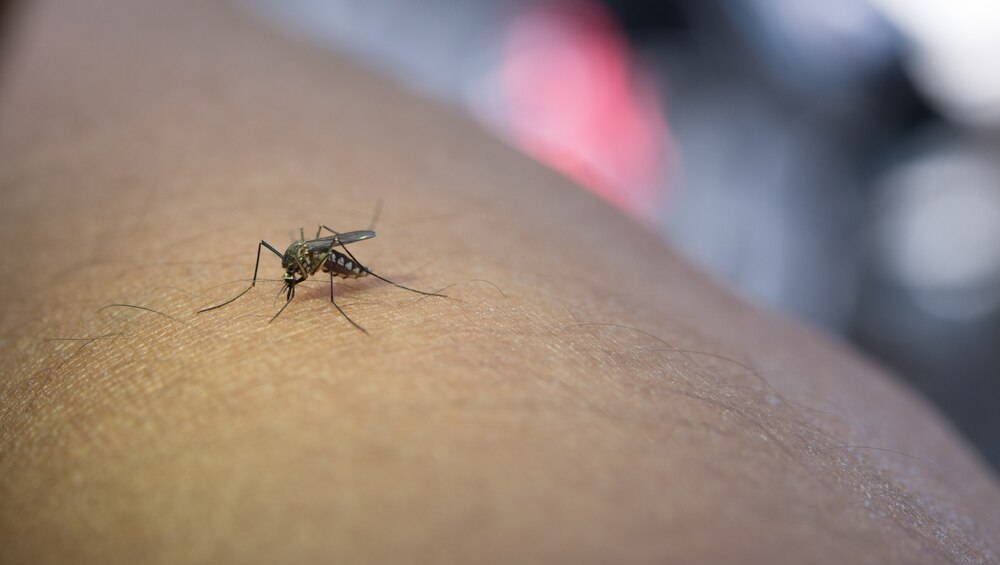
Chikungunya virus is transmitted primarily by Aedes mosquitoes. Symptoms typically appear 2–12 days after a bite and include sudden high fever, debilitating joint pain, headache, muscle pain, joint swelling and rash. Most people recover within days to weeks, but joint pain can persist for months in some cases. There is no specific antiviral treatment; care focuses on relieving symptoms. Preventing mosquito bites and controlling mosquito breeding sites are essential to reduce transmission risk.
Practical steps to reduce risk
Prevention and Early Care
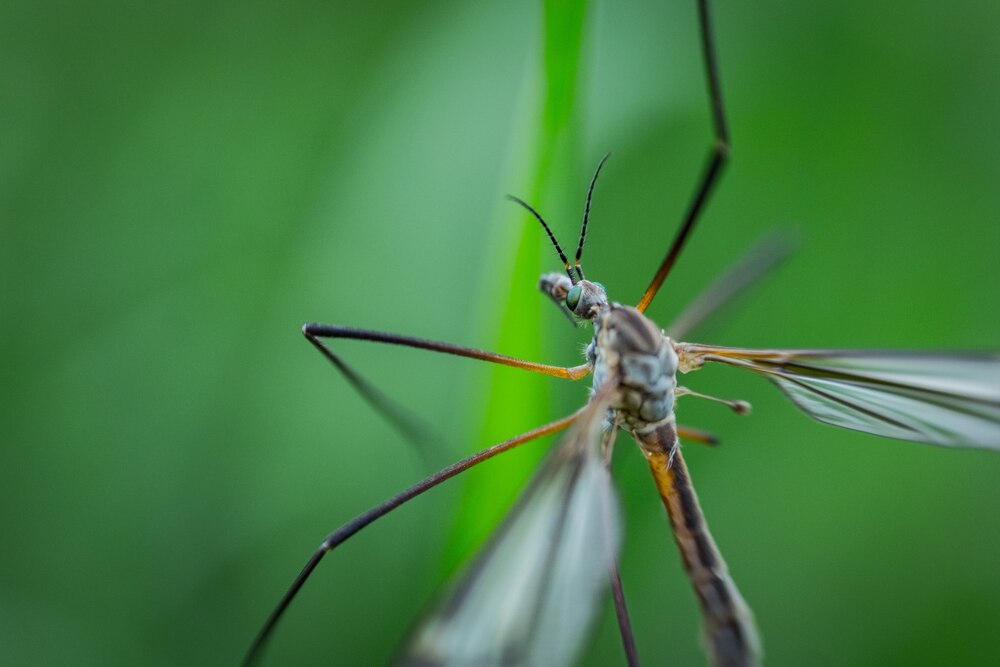
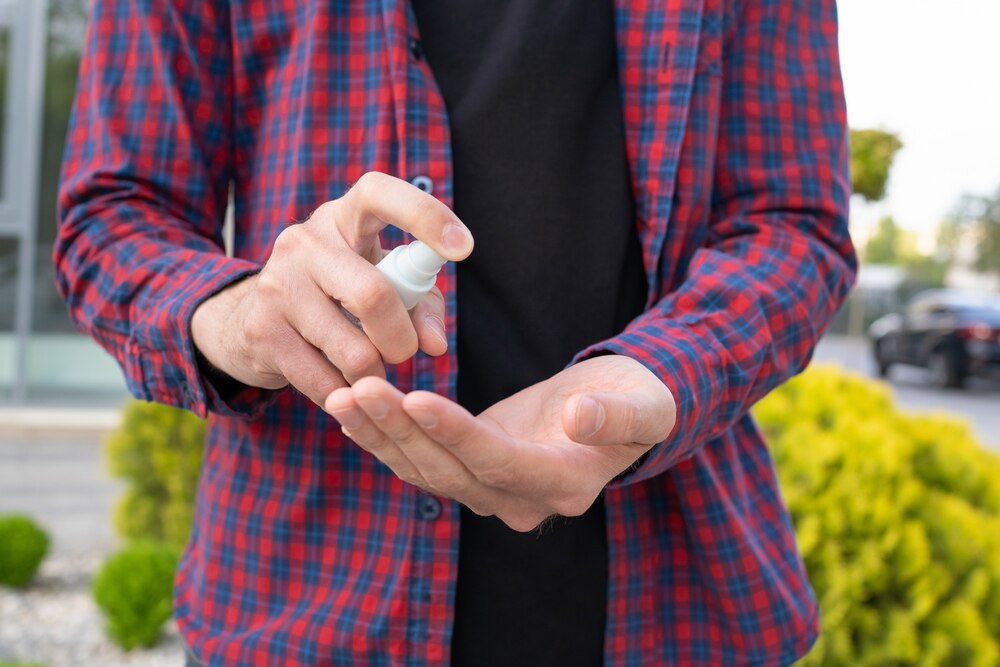
Prevent bites by using insect repellent with DEET or picaridin, wearing long sleeves and trousers, and using window screens or bed nets. Remove standing water where mosquitoes breed. If you develop fever and joint pain after travel or local exposure, rest, keep hydrated and seek advice from a pharmacist or healthcare provider if symptoms are severe or prolonged.
Use insect repellent regularly
Eliminate mosquito breeding sites
Seek advice for severe symptoms
Stay hydrated and rest
Symptoms
Fever, severe joint pain, rash, headache
Transmission
Spread by infected Aedes mosquitoes
Treatment
Supportive care; analgesics and fluids
Key Points
Chikungunya typically produces sudden fever and severe joint pain that can significantly reduce mobility. Most patients recover fully within a few weeks, although some experience persistent joint stiffness and pain for months. Management is symptomatic: rest, fluid intake, and analgesics such as paracetamol. Avoid NSAIDs until dengue is excluded due to bleeding risk. Preventive measures center on mosquito control, personal protection, and eliminating standing water. Seek medical attention for very high fevers, signs of dehydration, difficulty breathing, or prolonged debilitating joint pain.
Mosquito-borne viral infection
High fever and intense joint pain
No specific antiviral treatment available
Prevention focuses on reducing bites
Safe symptomatic care
Managing Symptoms at Home
At home, focus on comfort and symptom relief: rest, maintain fluids, and use paracetamol for fever and pain. Warm baths and gentle joint exercises can ease stiffness. Avoid aspirin and NSAIDs until dengue is ruled out. If pain is severe or you have other worrying symptoms, contact a pharmacist or healthcare provider for tailored advice and possible referral.

Recognize warning signs
When to Seek Help
Seek urgent medical care if you experience very high fever, severe dehydration, difficulty breathing, persistent vomiting, bleeding, or confusion. Contact a pharmacist for guidance on symptom management and over‑the‑counter options if symptoms are moderate. Pregnant women, infants, older adults and people with chronic conditions should seek earlier medical advice.
Frequently Asked Questions
Answers to common concerns about chikungunya.
How is chikungunya spread?
Chikungunya spreads through bites from infected Aedes mosquitoes, active mainly during the day.
Is there a vaccine?
Currently there is no widely available vaccine; prevention relies on avoiding mosquito bites.
How long do symptoms last?
Acute symptoms usually last days to weeks; joint pain can continue for months in some people.
Can I use over-the-counter medicines?
Paracetamol is recommended for fever and pain; avoid NSAIDs until dengue is excluded and check with a pharmacist.
When should I see a doctor?
See a doctor for severe symptoms, dehydration, breathing problems, or if high-risk (pregnant, elderly, chronic illness).